

For WASP industrial PhD students and their supervisors, working inside a company changes what research is possible — not just how it gets done.
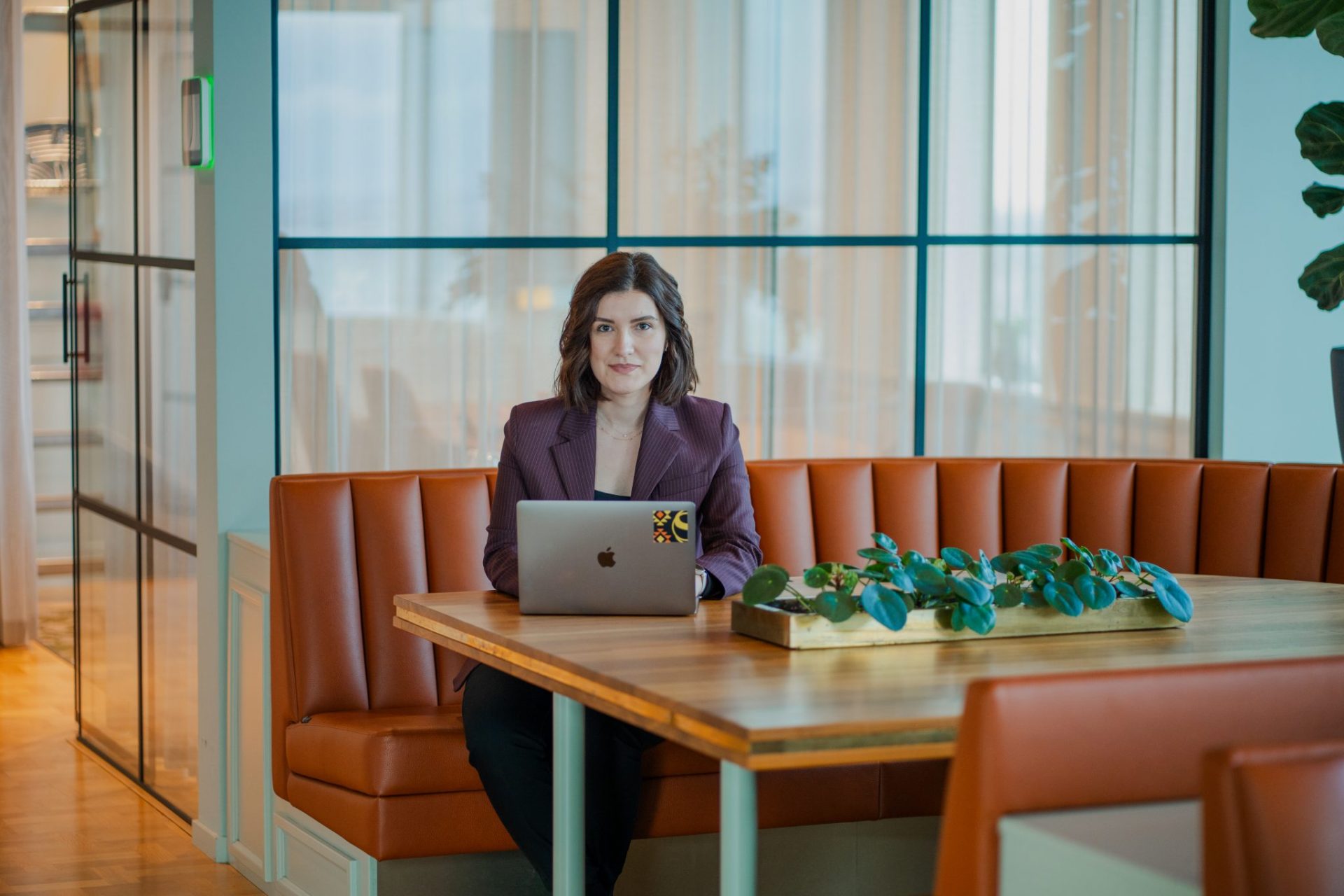
When Adha Hrusto began her PhD focusing on autonomous monitoring for DevOps at Lund University, her research utilized something most academic researchers rarely have access to live production data from software systems running in real-world production environments.
Adha was employed by System Verification, a global software quality assurance consulting company, and she was able to work directly with the systems operated by the company’s clients.
“The topic itself would be really hard to do just based on the literature, because it was very practical and it required having access to real production data,” she says. “After developing the solution, it was very valuable to evaluate how it worked on real systems and to get immediate feedback from the developers.”
Access like this is one of the defining features of WASP industrial PhD projects.
Inside the system
Fredrik Nordin, an associate senior engineer at Scania who collaborated with industrial PhD student Vandana Narri on shared situational awareness for autonomous trucks, describes the advantage from the company’s side.
“That would be difficult if we had academic PhD students, because we would need to somehow give them access to all the code. An industrial PhD student has access because they are an employee and can conduct research on our data as well as public data sets,” Fredrik says. “I think that’s a great value for our company.”
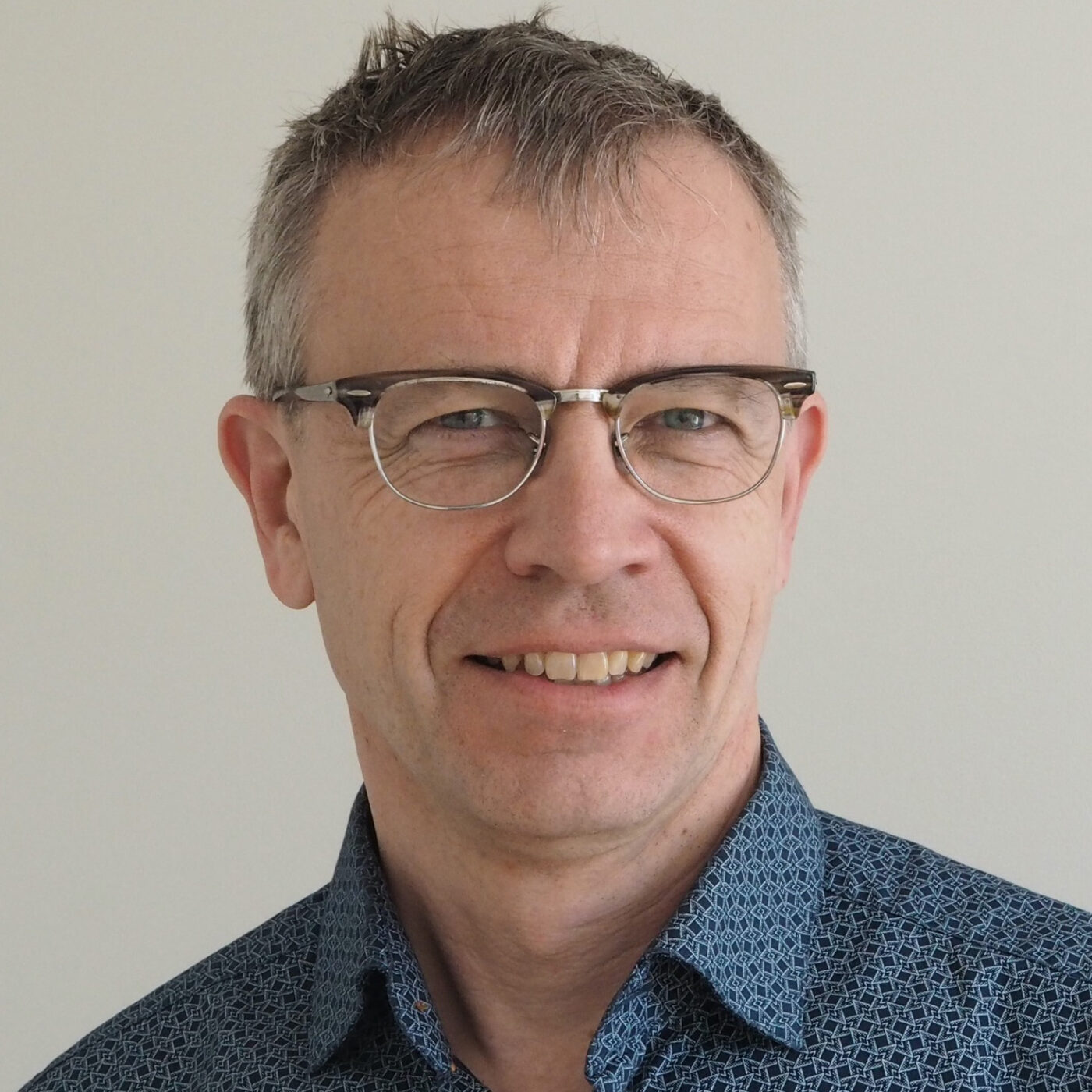
Per Runeson, professor of software engineering at Lund University who served as one of Adha’s academic supervisors, saw the same effect in her work.
“She got direct access to their clients’ systems. She worked with monitoring of operational systems, and she got the access rights to view live monitoring dashboards of a system for ticketing in public transportation.”

Richer data, better questions
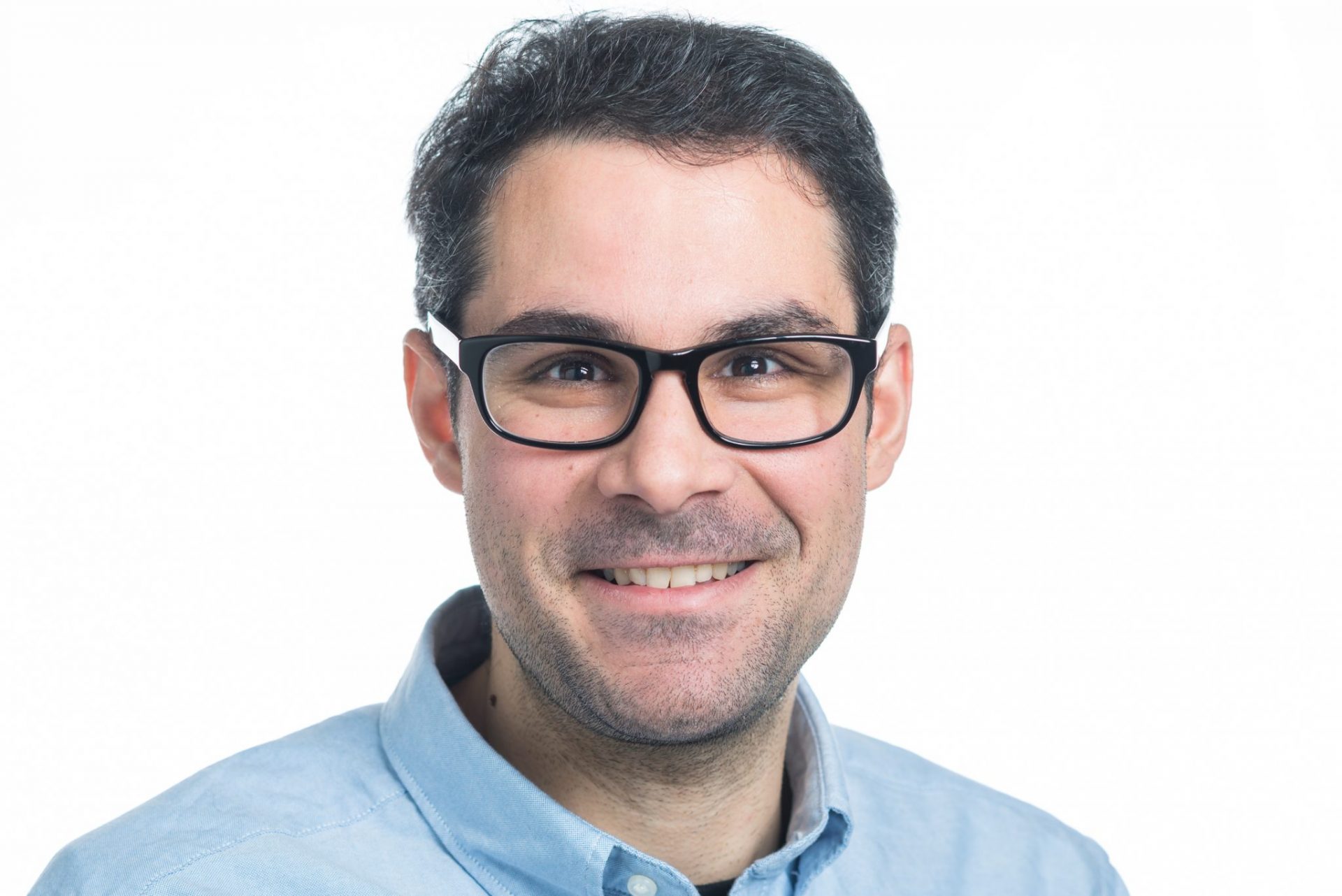
Christian Berger, professor at the Department of Computer Science and Engineering, which is shared between Chalmers University of Technology and University of Gothenburg, is a long-time collaborator with industry on autonomous vehicle research. He frames the data advantage in terms of the variety and scale that industry can provide.
“Data sets that are provided by academic research groups or donated to academia are typically small in scale compared to what the industry is having to deal with — meaning not just the sheer size of the data, but also the huge variety of scenarios,” he says. “If an academic data set is focusing on vulnerable road users, pedestrians, bicyclists, maybe industry has a much richer source of scenarios to challenge perception systems that are designed to improve the detection of such vulnerable road users.”
The result is that methods can be tested against what matters, “with a much higher and more thorough impact potential,” says Christian.
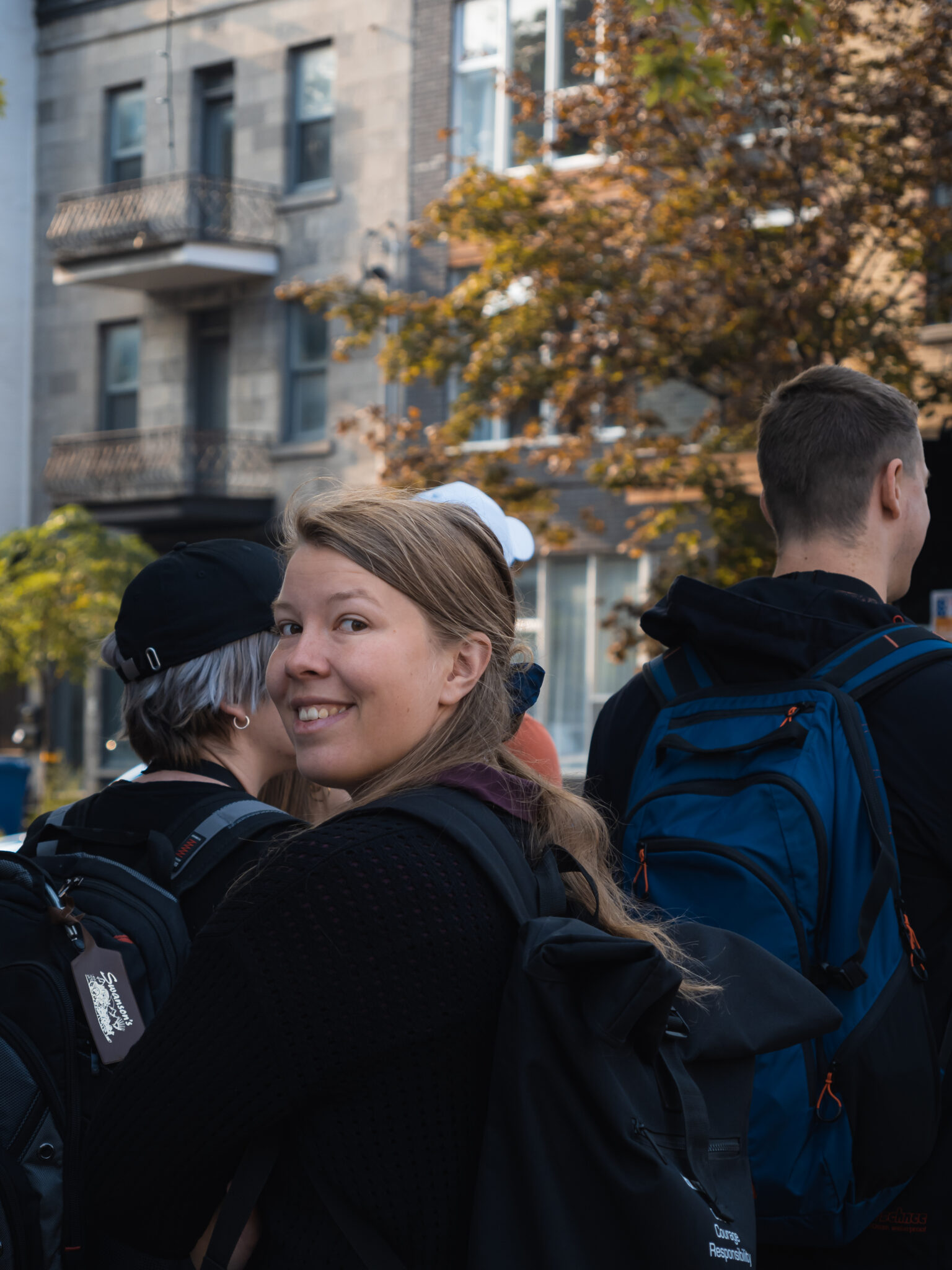
Frida Norlund, an industrial PhD student at Lund University working with mining company Boliden, encountered a version of this in her own field. Her research on the flotation process at the Aitik concentrator required not only access to the plant’s data, but also direct contact with the operators who run it.
“It’s not only about creating good solutions but also about gaining trust for them to be used,” she said in an interview about her research in 2025. “There is a lot of valuable know-how among the operators that we need and want to use.”

IP can flow both ways
A common assumption about industry-academia collaboration is that companies worry about intellectual property leaving the building. Fredrik’s experience at Scania suggests the reality is often the reverse. “I think it’s maybe the opposite,” he says. “With industrial PhD students, they are hired by us, so the results they achieve, they can publish, and then we can prevent other companies from, for example, patenting these ideas and preventing us from using them.”
The arrangement of hiring an industrial PhD student also resolves a practical problem around sensitive data. “Maybe we don’t want to make data public, but we still want someone to look at the data and do some research about the data. Then we need someone internal to be able to do that. We can’t give the data to an institution without signing a bunch of NDAs and all of this stuff that becomes a big bottleneck,” Fredrik says.
An industrial PhD student, already employed and bound by the same confidentiality obligations as other staff, removes that bottleneck entirely.
Per, who has supervised industrial PhD projects for nearly two decades, sees the IP concern as generally overstated. “The first reaction is: oh, we can’t collaborate because we can’t make this open to our competitors. My experience is that what is interesting for us [researchers] to publish is not what is to be protected by companies.”
Research that gets published tends to be about methods and generalizable findings, not the specific technical or commercial details a company would want to protect. “What we want to publish is not the detail of their inner technical solutions nor business issues, but more the generalized things,” he says.
Challenging theory through practice
For Nikolaos Pappas, associate professor at Linköping University and academic supervisor for a WASP industrial PhD student at Ericsson, access to industry supports a specific kind of intellectual work. Collaborating with practitioners can challenge theoretical assumptions that are taken for granted in academic research. “When you talk with these people, maybe some of these theoretical assumptions can be challenged. This usually leads to new research directions you can take that you have not thought before,” he says.
The result, when it works well, is research that satisfies both criteria at once. “You can create very nice works that can be theoretically solid and at the same time practical, which is basically the best case scenario. It benefits both worlds.”
This article is part of a series exploring the journey of a WASP industrial PhD. It provides insight into the experiences of both industrial PhD students and their supervisors, including their perspectives on opportunities, challenges, and potential career paths. In the next article, we take a closer look at how industrial PhD students navigate the balance between long-term research and short-term expectations.
Published: May 25th, 2026
[addtoany]