

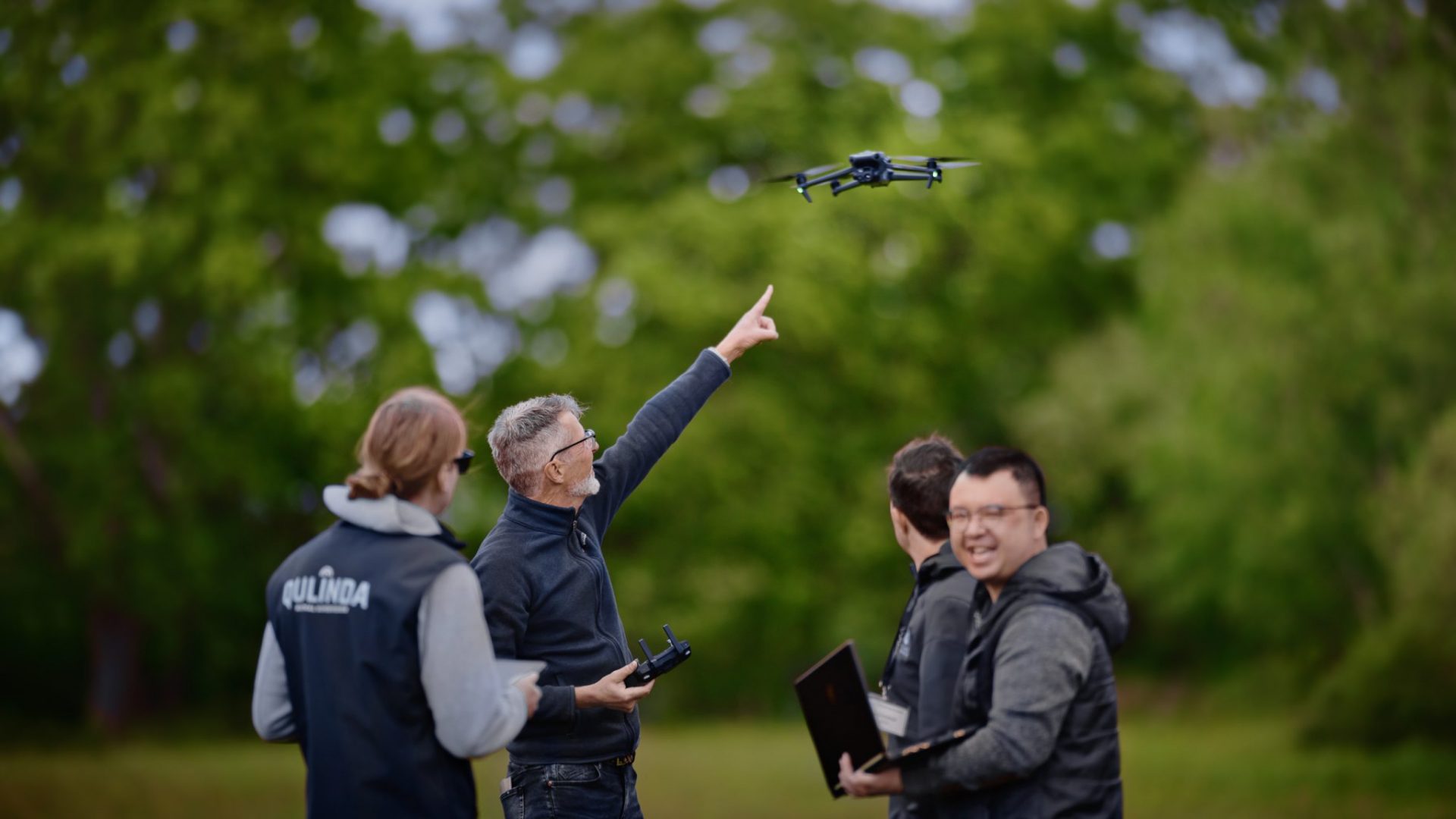
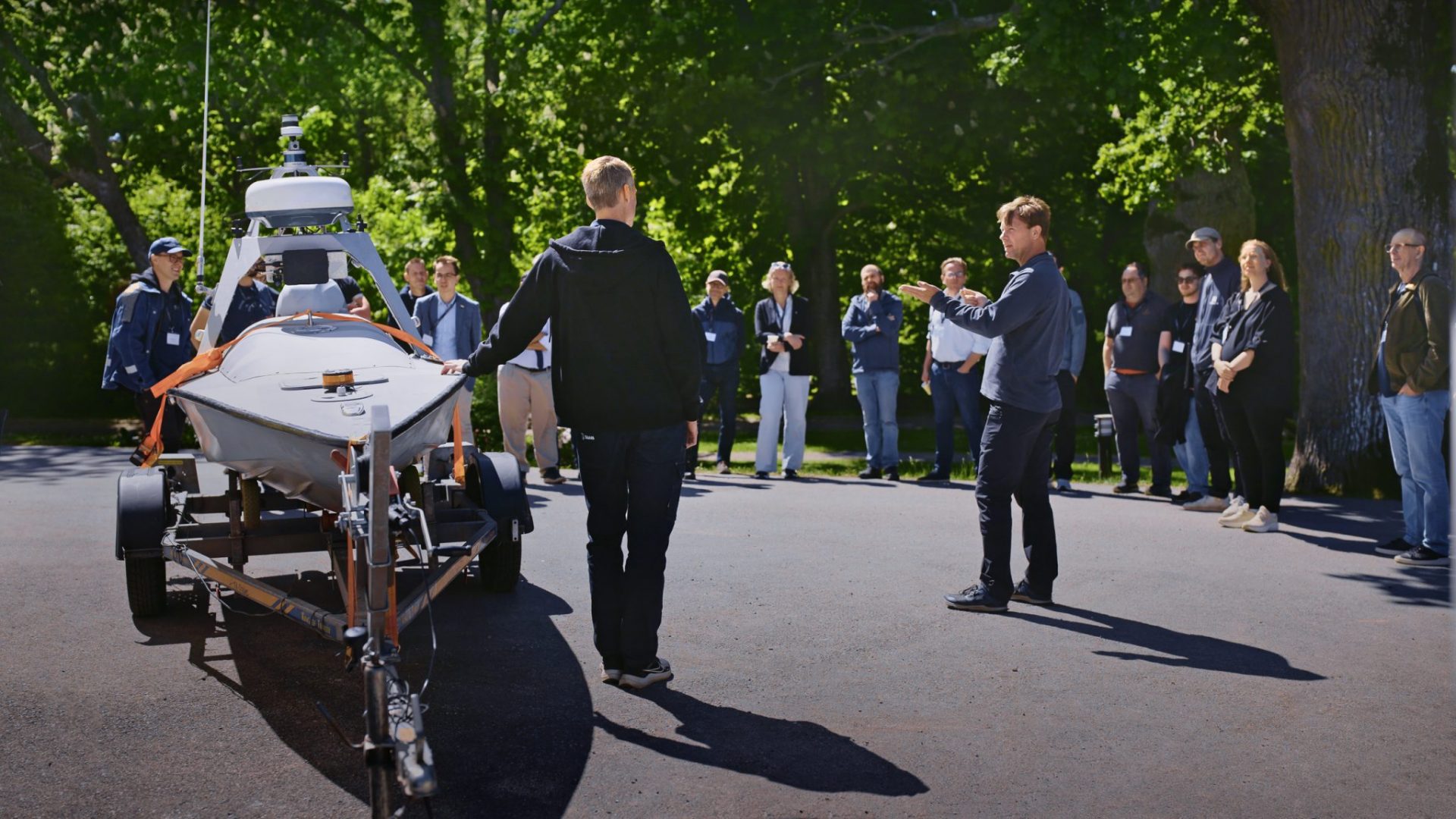
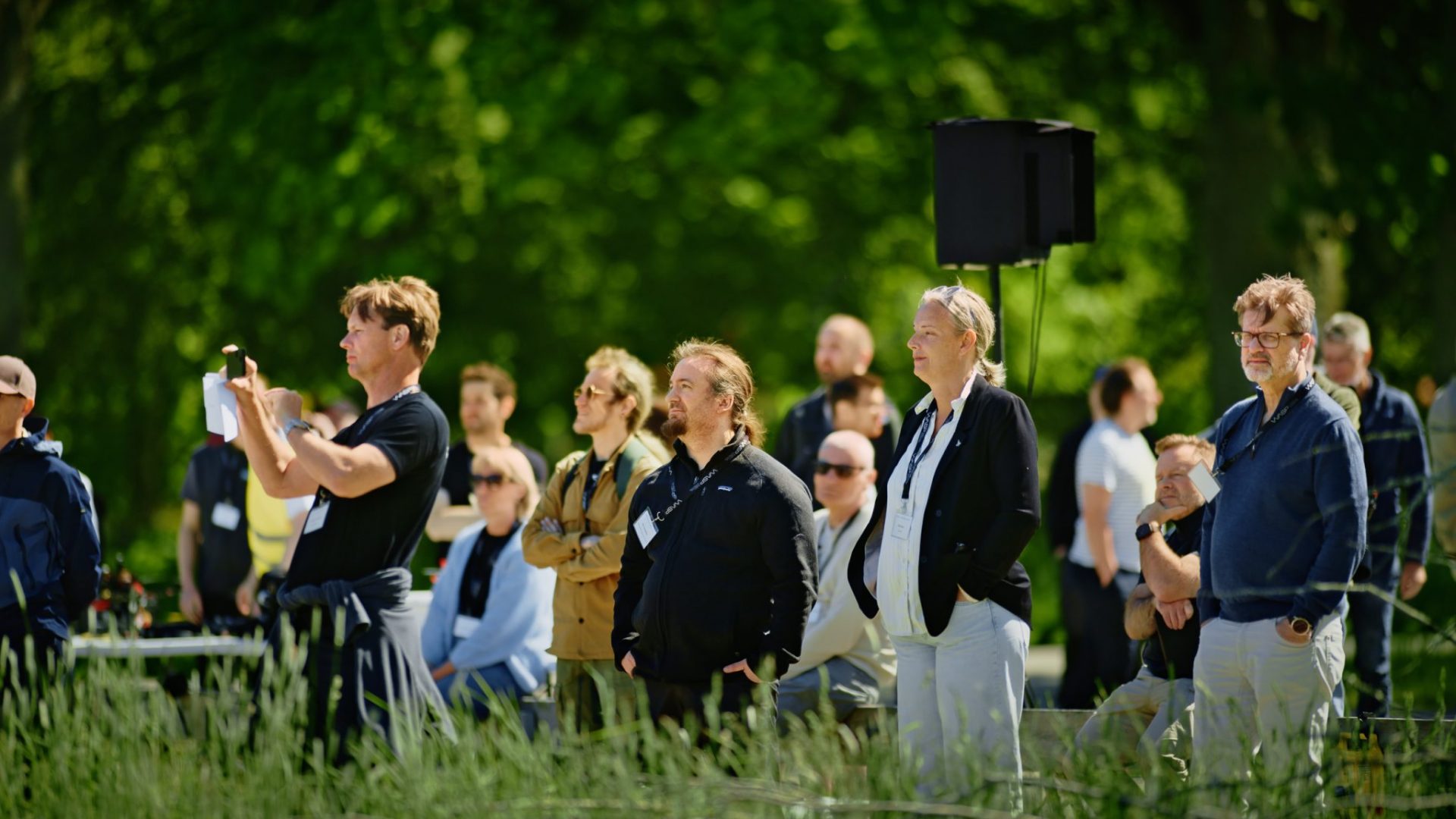
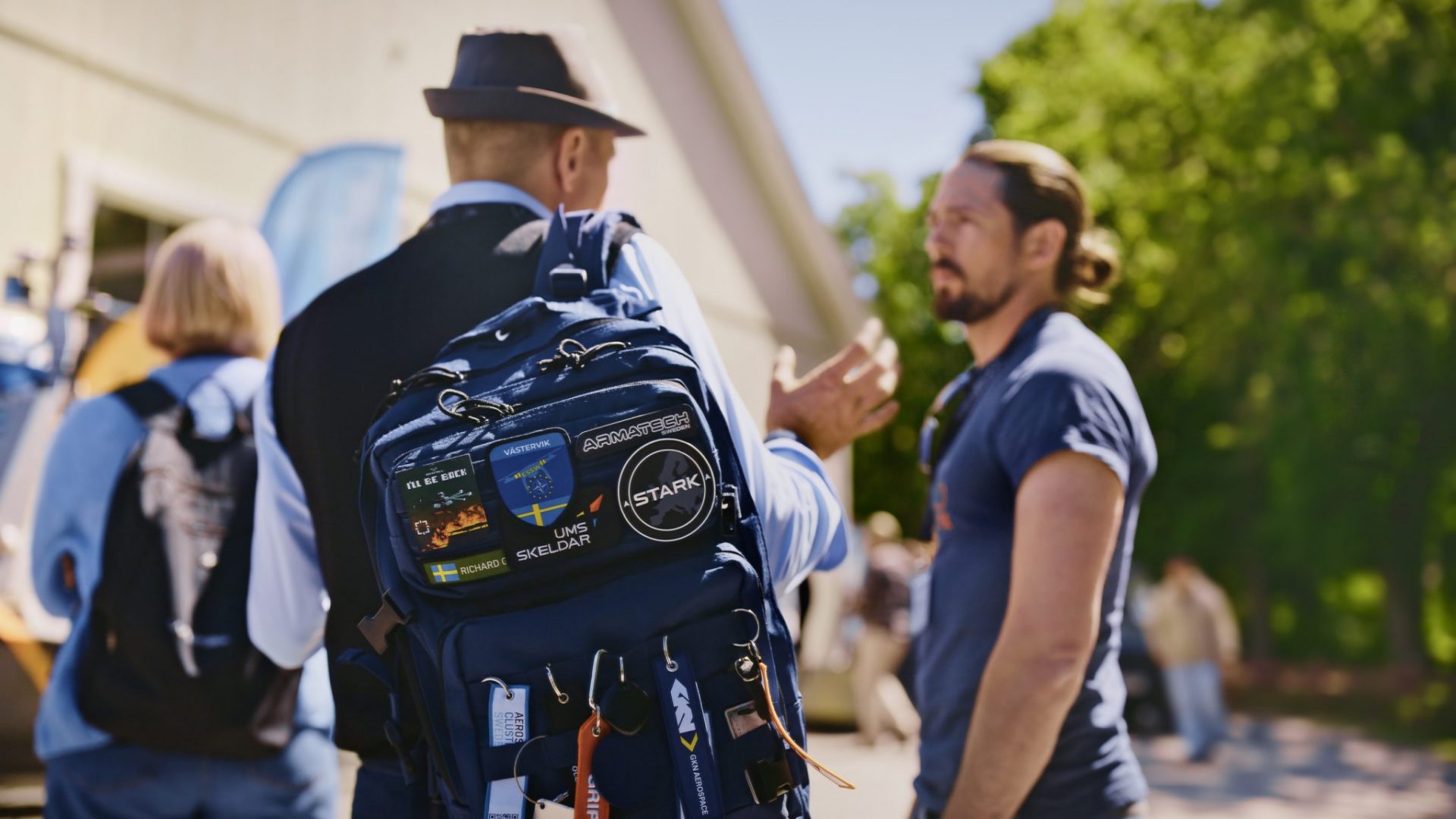
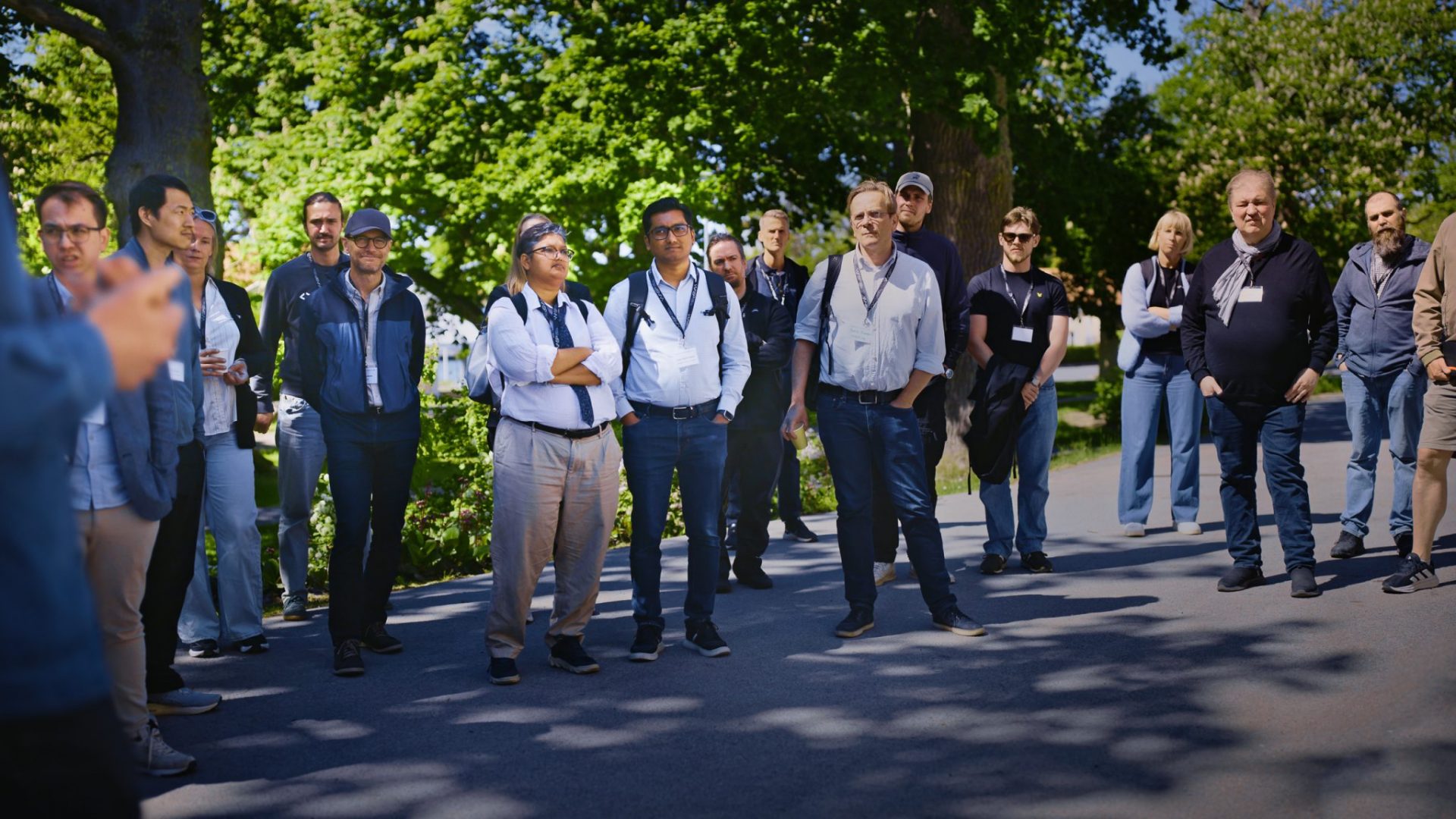
At the end of May, the WASP research arena WARA Public Safety (WARA PS) gathered researchers, industry partners, and public stakeholders for its annual Data Collection Week at Gränsö, outside Västervik. New this year was the addition of the Vinnova Drone Challenge, introducing a competitive and collaborative element focused on autonomous drone systems.
WARA Public Safety is one of WASP’s research arenas, focused on bridging academia and industry, creating an environment where new technologies can be developed and tested in realistic scenarios. This is exemplified through the WARA PS Data Collection Week, where participants collaborate on data collection, testing, and development in a shared experimental environment.
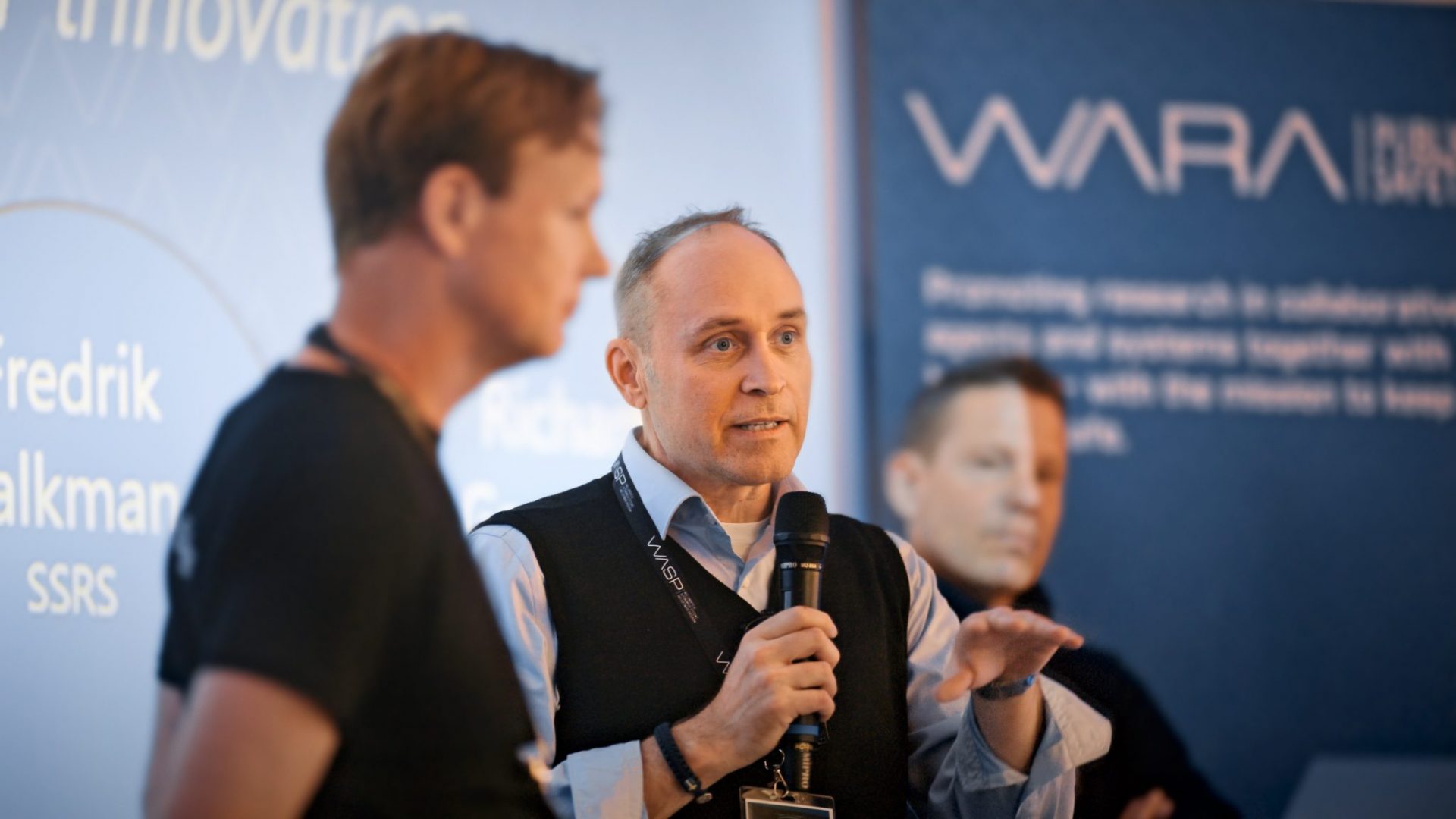
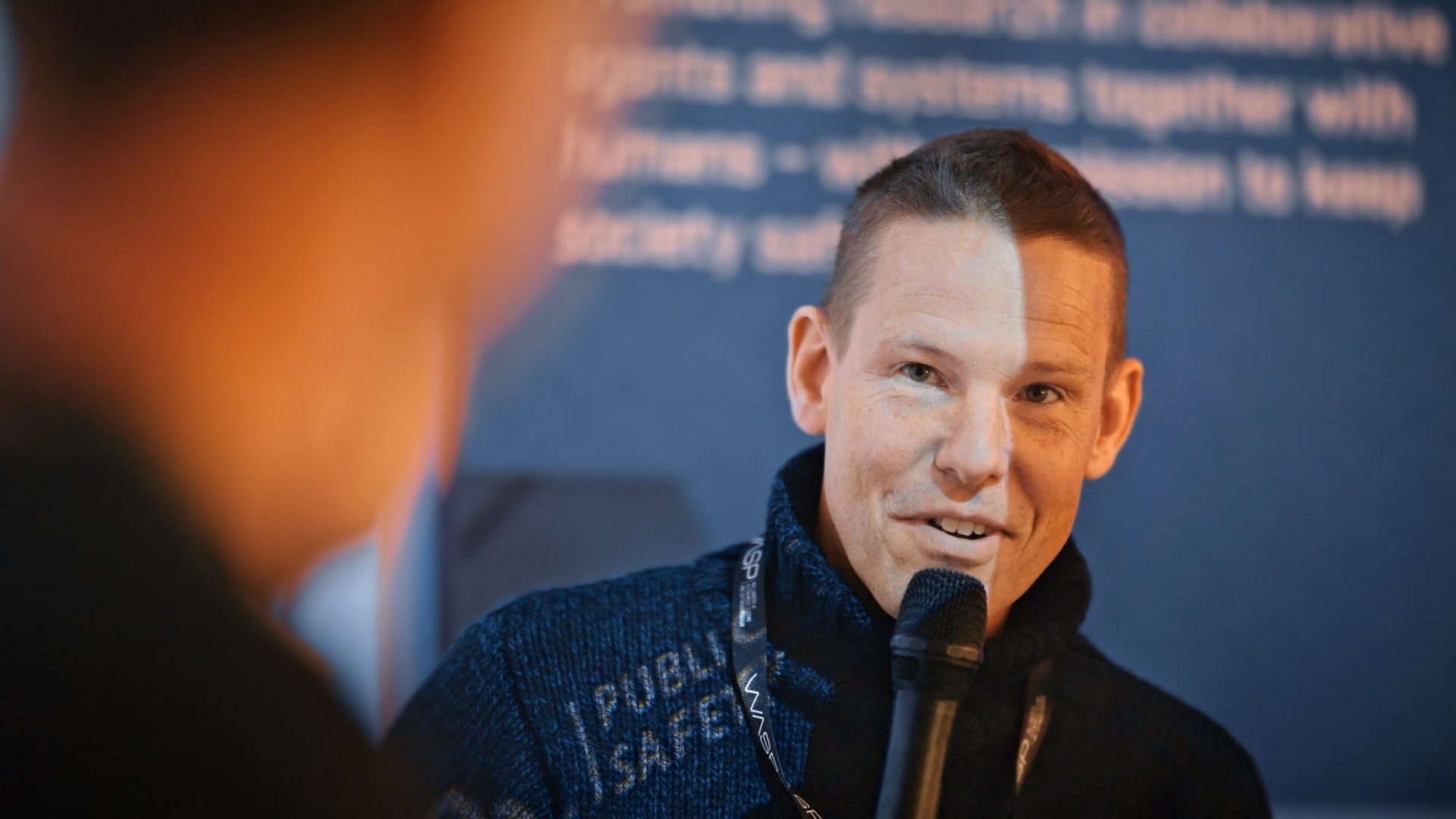
“The Data Collection Week is central to WARA PS as it enables real-world testing, validation, and data collection in operational environments. It also highlights the importance of data sharing while bringing together industry, academia, and public actors to collaborate and test integrated systems,” says Jesper Tordenlid, project leader for WARA PS.
A key take-away from this year’s Data Collection Week is the growing attraction of small deep‑tech companies that use the arena to move from prototypes to integrated, operational systems. According to Jesper, WARA‑PS has now become an established arena not only for researchers, but also for incubators such as LEAD, IDEON, and Innovatum to build and scale innovation – further strengthening the connection between research, innovation, and industry.
Drone challenge focused on autonomous collaboration
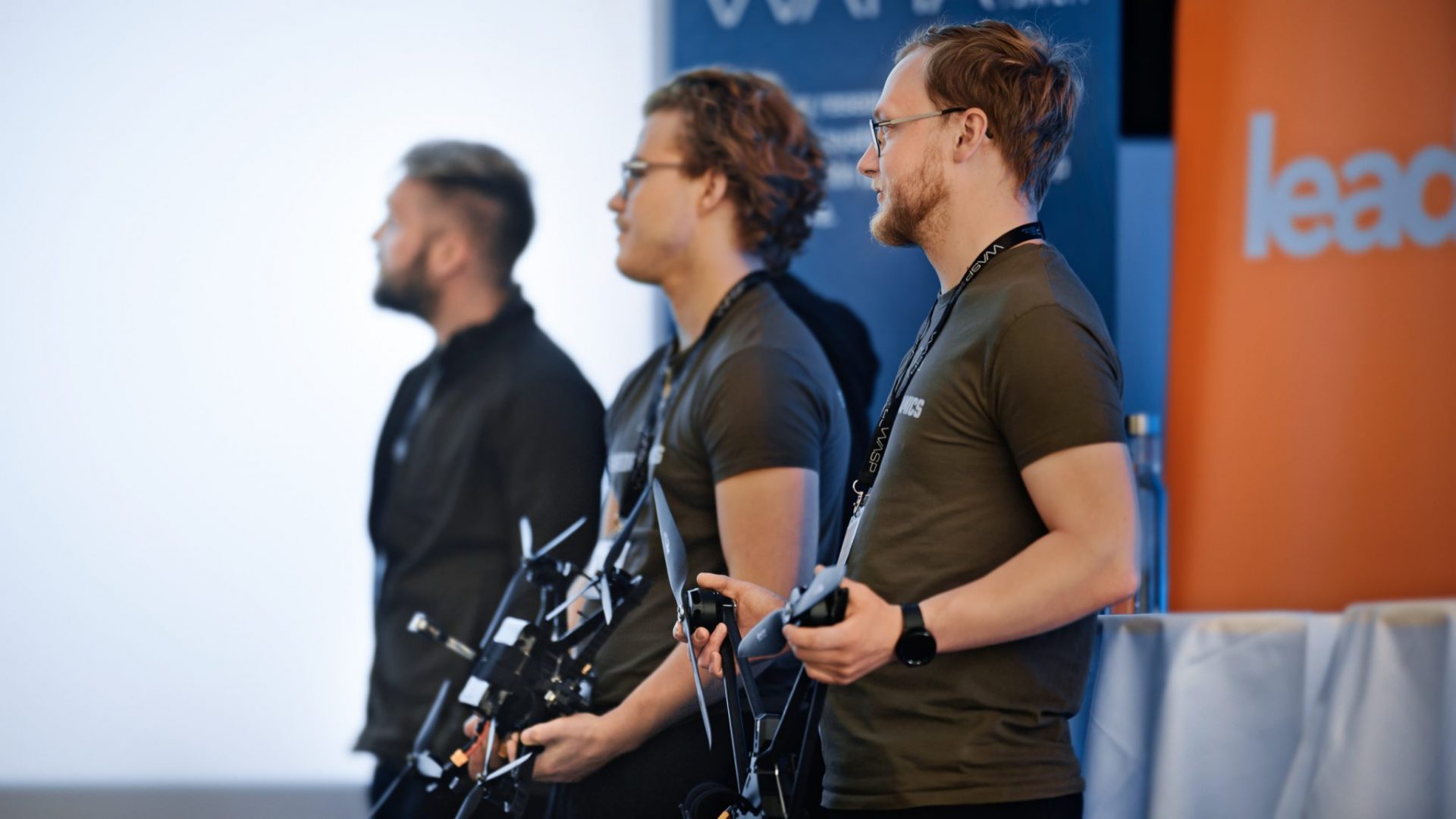
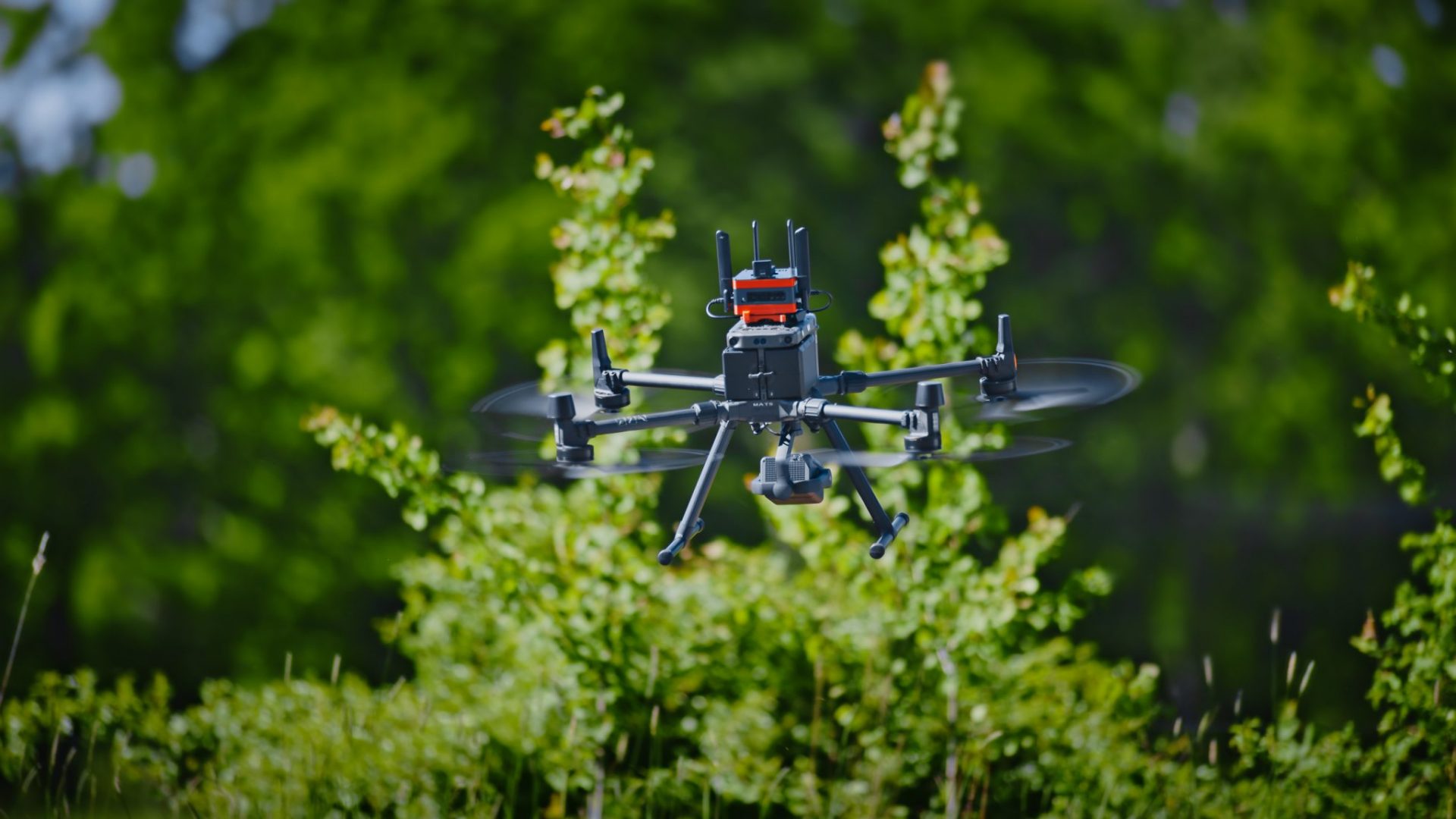
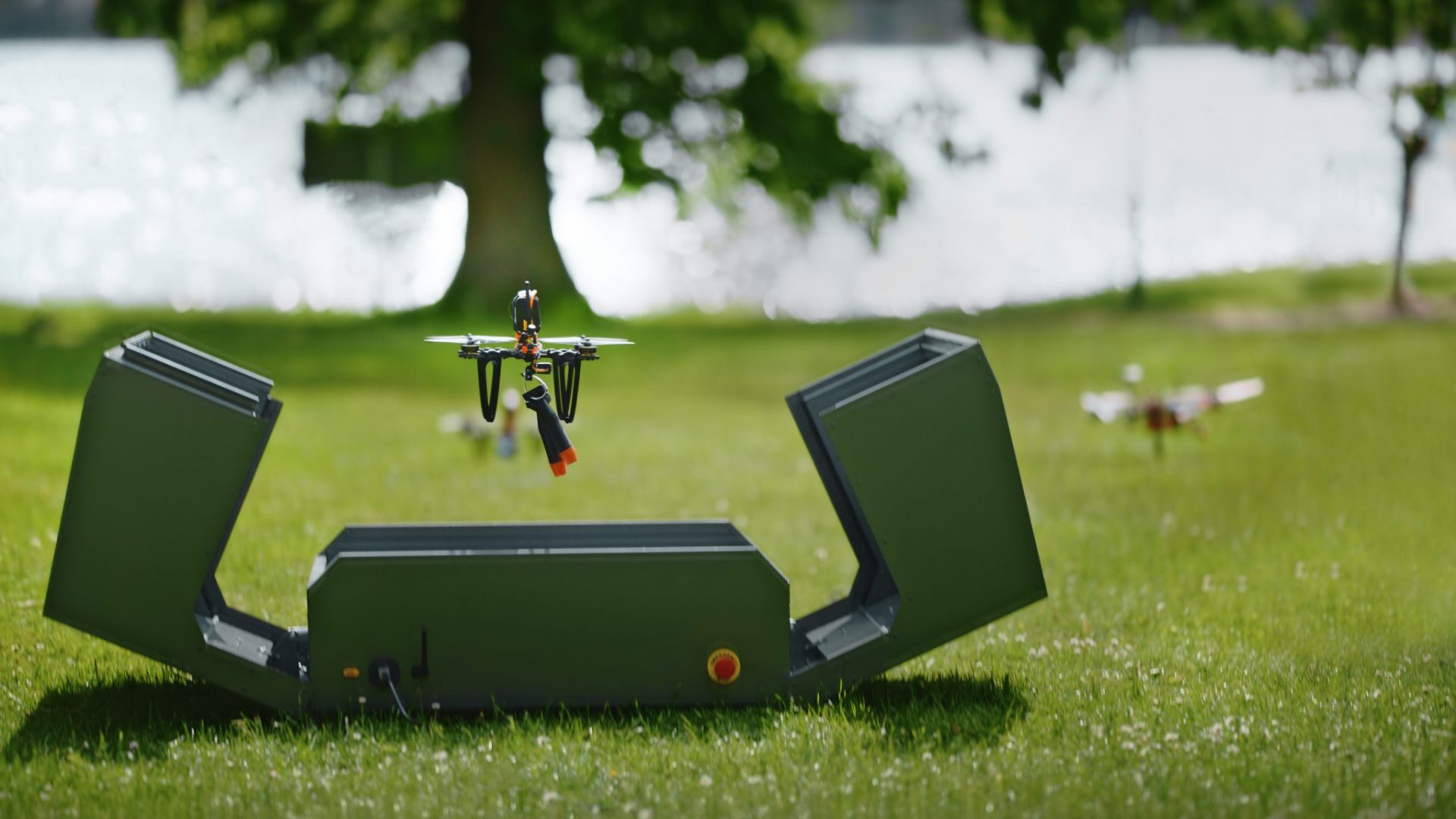
New for this year was the addition of the Vinnova Drone Challenge hosted in collaboration with Combitech and Västervik Drone Science Park. The challenge required teams to use multiple drones to jointly monitor an area and track moving objects on the ground. One drone operated at a higher altitude to identify objects, while another followed the highest-priority target and continuously reported its position.
As new priorities emerged during the exercise, the drones had to adapt in real time and coordinate their actions to ensure that the most relevant object was tracked. The overall goal was to achieve a high degree of autonomy.
The challenge is part of a broader Vinnova initiative aiming to strengthen innovation in drone technology. The ambition is to develop solutions where drones can collaborate autonomously to solve complex tasks and contribute to a safer society.
According to Jesper Tordenlid, the challenge was introduced to accelerate innovation and shift focus towards complete, mission-driven systems:
“It adds a clear use case, competitive energy, and a stronger focus on autonomy, coordination, and real-world relevance, making the event more results-oriented.”
Don’t miss the WARA PS Demonstration Week
The upcoming Demonstration Week in September will build on the results from the Data Collection Week and showcase more mature solutions. It offers an important opportunity to demonstrate progress and strengthen collaboration across the ecosystem.
The program at WARA PS Demonstration Week will include workshops, demonstrations, exhibitions, and presentations. There are also plans to include a hackathon during the week. As in previous years, visitors can expect to see collaborative autonomous systems operating alongside humans in public safety and defence scenarios.
Registration opens week 24
Registration opens soon!
WARA Data Collection Week 2026 in numbers
107 participants
39 organizations
6 Vinnova Drone Challenge team
12+ data collection groups
30+ vehicles in operation
Photos from the event
Photo: Peter Karlsson, Svarteld.


Published: June 11th, 2026
[addtoany]