

One year in Sweden, one year in Singapore, and the freedom to pursue an independent research direction. The Wallenberg–NTU Presidential Postdoctoral Fellowship connects early-career researchers with two research environments. Mikael Skoglund, Professor at KTH, has supervised several fellows. In this interview, he shares his perspective as a supervisor.
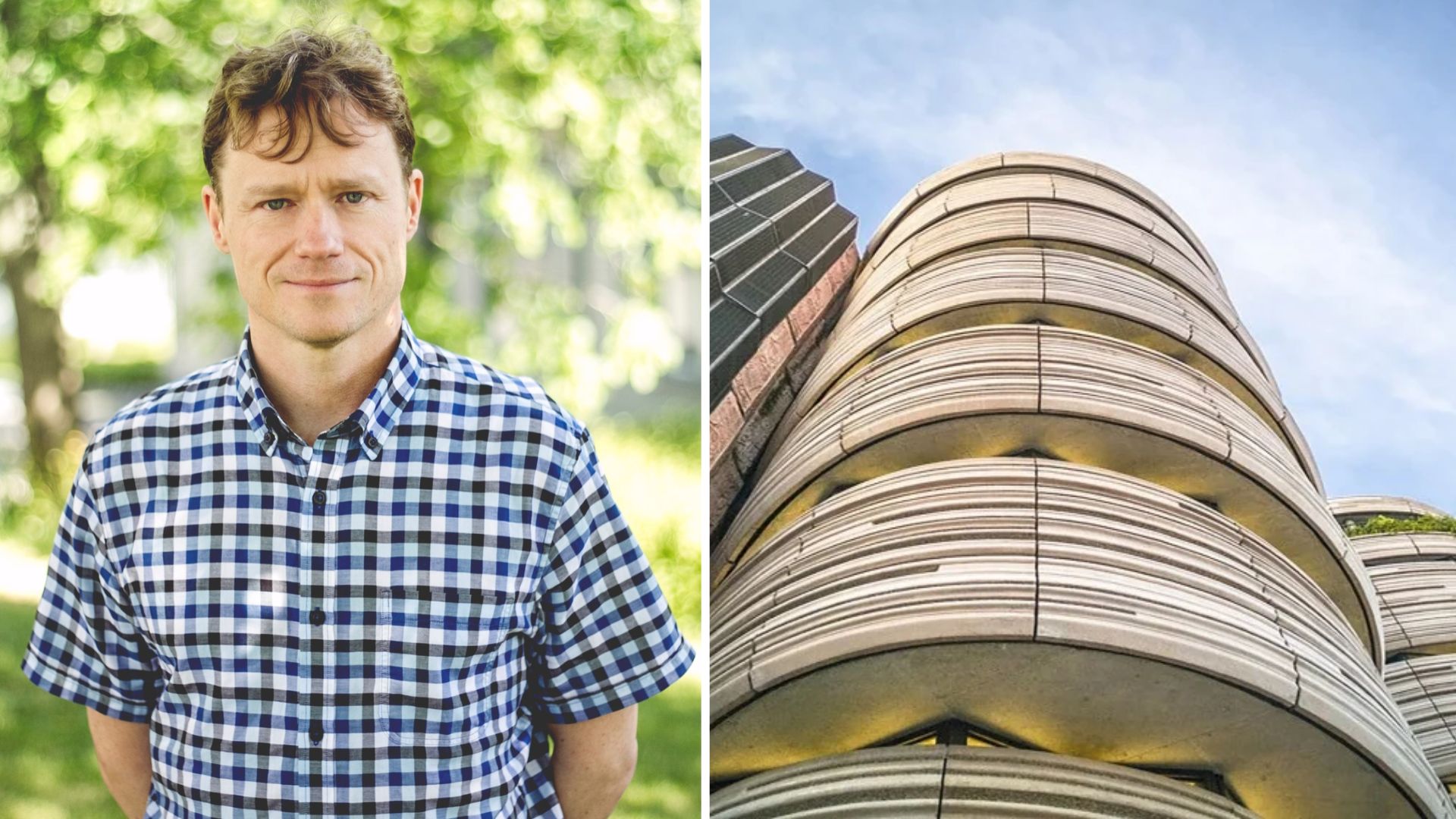
Mikael Skoglund is a Professor of Communication Theory, Head of the Department of Information Science and Engineering at KTH Royal Institute of Technology, and an experienced supervisor within the Wallenberg-NTU fellowship.
What opportunities arise for you as a supervisor from having the postdoc spend one year in Sweden and one year in Singapore?
It is a great opportunity to have young and highly talented researchers join us at KTH after having spent already a year with the world-class environment at NTU. They bring many new ideas and perspectives and help sustain a competitive research environment at KTH and in Sweden in general.
What does it mean in practice to share the supervision of a postdoc between Sweden and Singapore?
For the postdocs who already spent a year at NTU, most of the practical interaction between us in Sweden and the team at NTU comes through the work that was initiated during time spent at NTU and is then being finalized in Sweden. We all benefit from this, since the Swedish supervisor can then bring complementary input and advice on work that has already reached a certain level of maturity.
How does this differ from supervising a postdoc who stays within one research group or university?
Basically all the postdocs I have hosted at KTH came directly from their PhD studies. In most cases this does not lead to a direct collaboration between us at KTH and the PhD advisor’s group, since often the incoming postdocs will need to pick up a new topic determined by the project that funds their time at KTH/in Sweden. In the case of the incoming WASP-NTU postdocs they are more “free” to pursue a topic of their own choice.
What kind of researcher do you think benefits most from a postdoc like this?
First of all, the WASP-NTU award is highly competitive, so the researchers that secure this grant are international upcoming stars. As an example, one of the former WASP-NTU postdocs in my group are already a full professor. Another aspect is that the WASP-NTU researchers need to have a very high level of self-drive, for example since they do not join an environment in Sweden to work on a particular project; the WASP-NTU award allows them to choose their own topic, which I would say they perceive as a great benefit, but which also comes with certain risks.
What advice would you give to a supervisor considering taking on an international postdoc in this kind of setup?
To be prepared to help the candidate to choose a topic that will fit both them and you and your group. But I would emphasize letting the WASP-NTU candidate act as freely as possible in this choice.
The candidate has of course written a research proposal already when applying for the WASP-NTU award, so the topic needs to fit with that plan, certainly. Still, compared with most other funding, there is great freedom in selecting (sub)topics.
What would you say to a PhD student who finds the international aspect exciting but is unsure whether moving between Sweden and Singapore is right for them?
That they should take the opportunity to experience two quite different countries and research environments. Environments that are both at the international forefront, but that they will still, probably, experience as quite different.
About
Supported by the Knut and Alice Wallenberg Foundation, the Wallenberg–NTU Presidential Postdoctoral Fellowship enables researchers to spend one year at Nanyang Technological University (NTU) in Singapore and one year at a Swedish partner university within WASP. It supports independent research in fields ranging from artificial intelligence and machine learning to software, security, mobility and autonomy.
Who can apply: Early-career scientists, engineers and scholars from anywhere in the world. Five fellowships are available for candidates demonstrating the intellectual capacity and rigor to drive their own research.
Research areas: Artificial intelligence; machine learning; big data and data analytics; software and security; mobility and autonomy.
Duration and location: Two years; one at Nanyang Technological University (NTU), Singapore, and one with a WASP research group in Sweden.
Duration and location: Two years; one at Nanyang Technological University (NTU), Singapore, and one with a WASP research group in Sweden.
Support: For the year at NTU, a research grant of up to SGD$100,000, an annual salary of up to SGD$80,000, a relocation allowance and a housing grant for the entire fellowship. For the year in Sweden, an annual support package covering salary, senior supervision, travel and other costs according to WASP standards.
Application deadline: December 31, 2026, at 23:59 Singapore Time (UTC+8).
Read more and apply
Published: November 18th, 2026
[addtoany]