

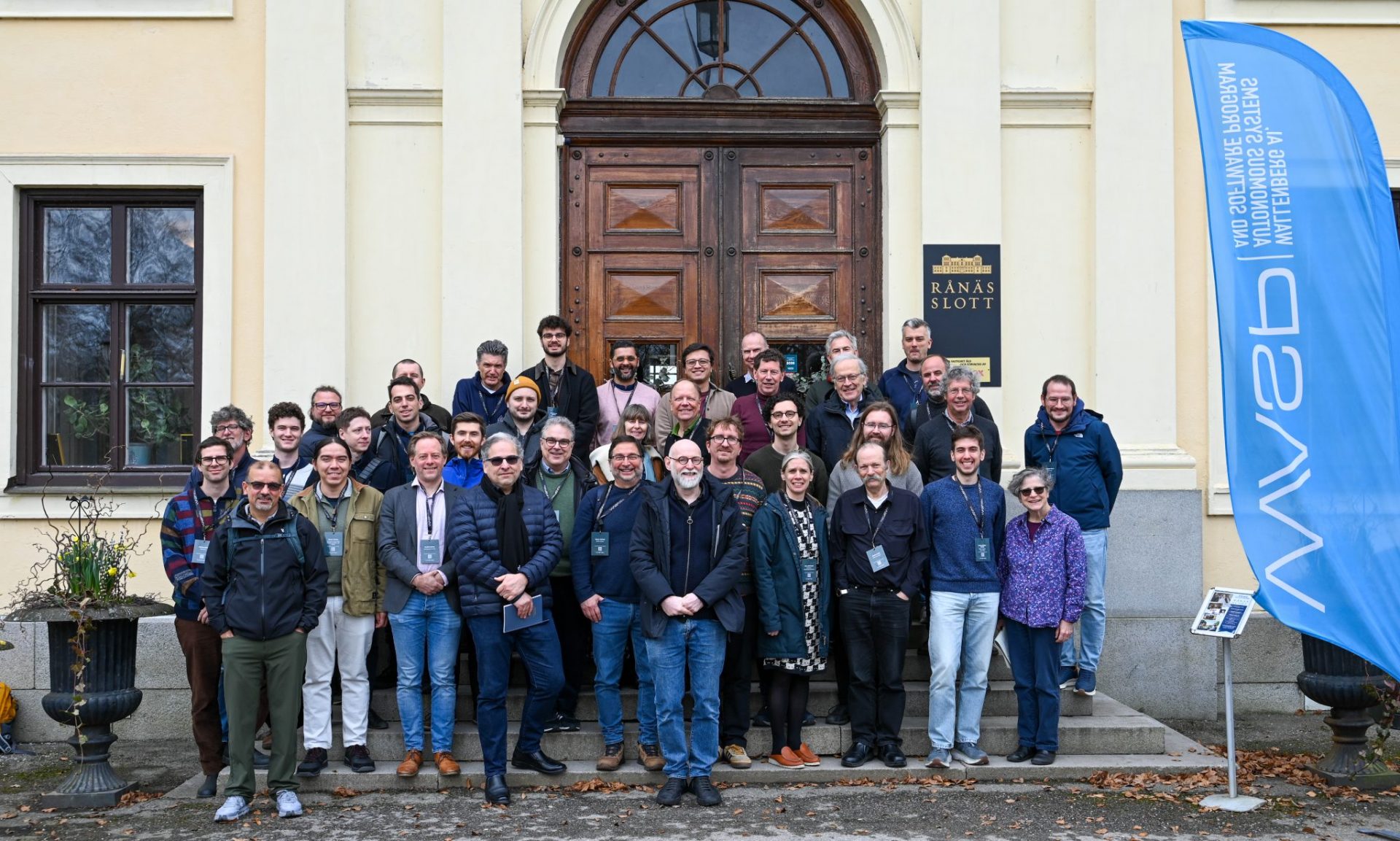
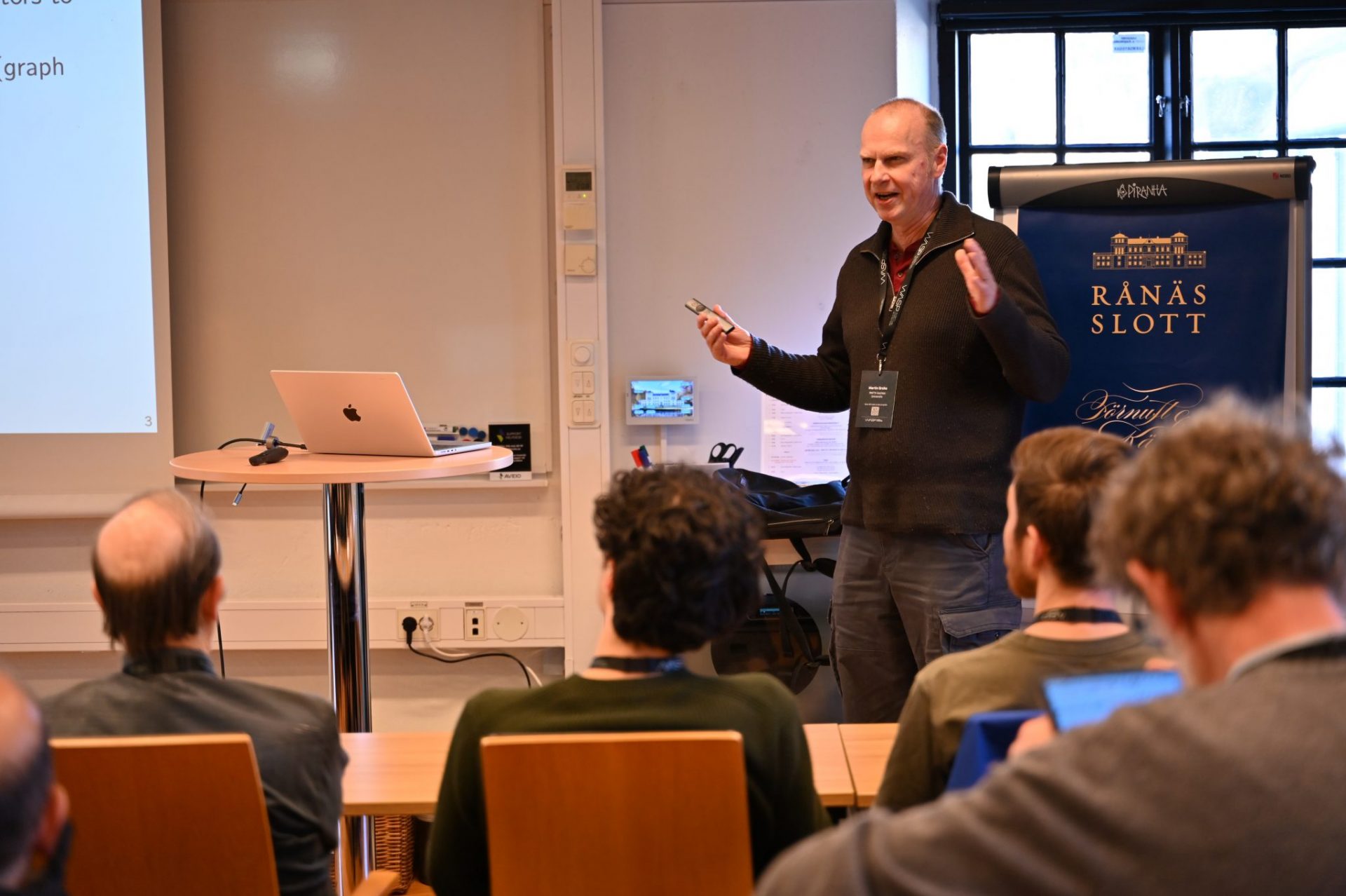
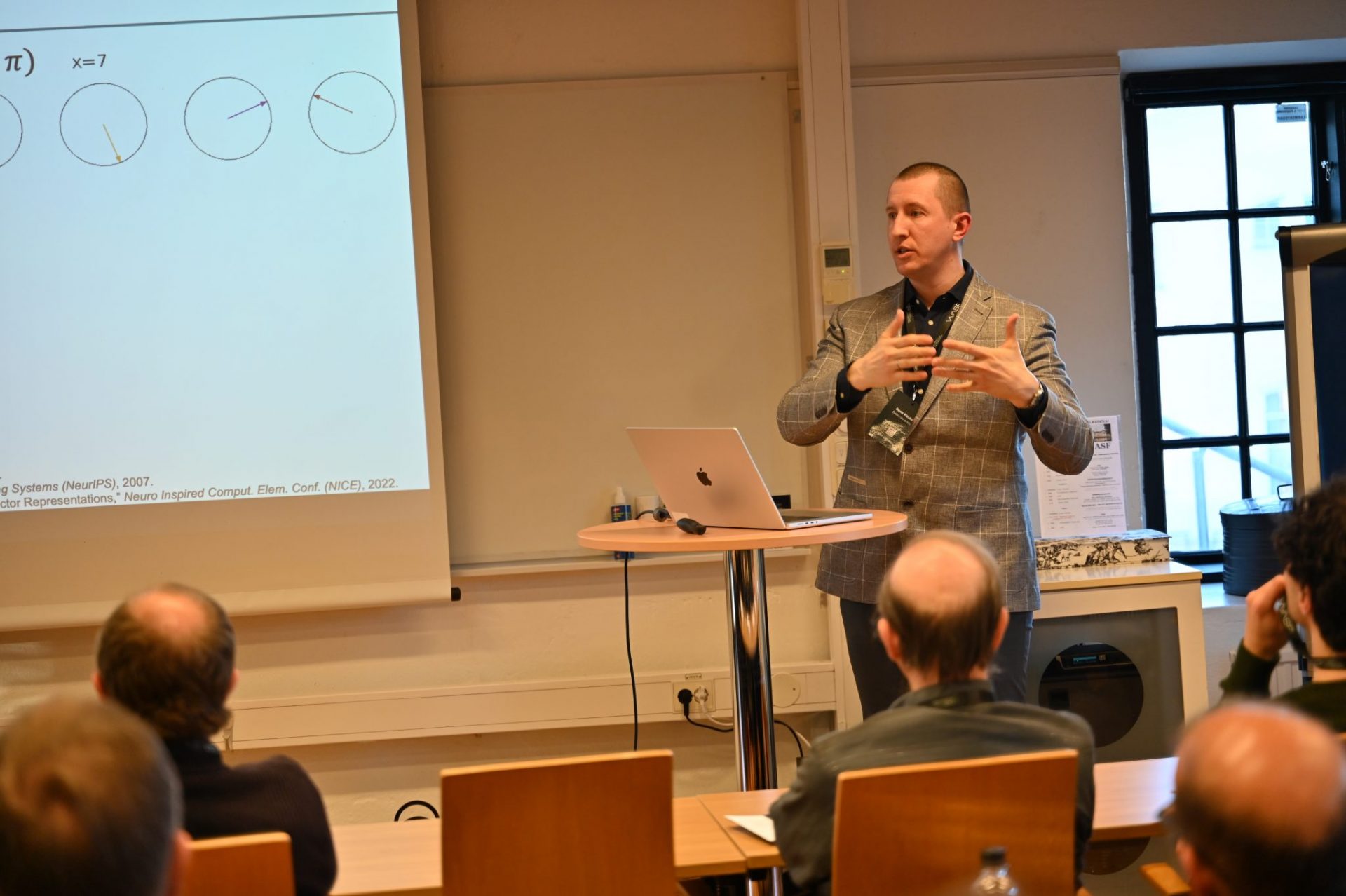
The 2026 Wallenberg Scientific Forum (WASF) at Rånäs Slott in Sweden, focused on neurosymbolic AI, bringing together leading researchers from all over the world to examine how learning and reasoning can be integrated in principled and reliable ways. With experts from machine learning, knowledge representation, planning and cognitive science, the forum created a space for interdisciplinary exchange focused on theory, foundations, and long‑term impact.
While much of today’s AI research centers on new model architectures, benchmarks, and empirical performance, WASF 2026 shifted attention to more fundamental questions. As Luc De Raedt, Wallenberg Guest Professor in Computer Science and Artificial Intelligence, Örebro University, Professor of Computer Science, KU Leuven and one of the organizers of the forum, explains, neurosymbolic AI aims to “integrate learning and reasoning by combining neural networks with symbolic representations and solvers,” but the field still lacks unifying theories and formal models that clearly define what different approaches can and cannot achieve.
“We believe the community needs stronger theoretical and conceptual underpinnings,” says Luc. “Unifying frameworks, formal models, and theories are essential if we want to understand the limits and possibilities of current techniques.”
An interdisciplinary field
Neurosymbolic AI sits at the intersection of multiple research traditions.
“On the neural side, neurosymbolic AI draws on almost the full breadth of modern machine learning,” Luc notes. “But on the symbolic side, we are also seeing growing interest in neural methods, for example in database theory, graph theory, and knowledge representation.”
Researchers today are studying the expressiveness of transformers and graph neural networks, integrating symbolic structures into neural models, and applying neurosymbolic ideas to continuous domains through physics‑informed neural networks. Similar trends are visible in planning and reinforcement learning, where perception is combined with symbolic decision‑making.
Large language models represent another important area of convergence. Here, formal methods are increasingly explored to introduce correctness, robustness, and reliability guarantees.
“By examining learning and reasoning from all of these perspectives, we hope to gain a more coherent and comprehensive understanding of neurosymbolic AI, and ultimately of AI as a whole,” Luc says.
The most urgent question
Neurosymbolic AI is often described as a “third wave” of artificial intelligence. From Luc’s perspective, this wave raises foundational questions that can no longer be ignored.
“Large language models already invoke tools and solvers implicitly,” Luc explains, “but this integration is largely ad hoc and lacks formal guarantees of correctness or reliability. This is precisely where symbolic AI excels.”
Symbolic methods offer structured knowledge representations and verifiable reasoning, while neural approaches excel at learning from large‑scale data. Yet each paradigm has clear limitations when used in isolation. The promise of neurosymbolic AI lies in combining these strengths in a principled way.
“The most urgent questions concern how to formalize this integration,” says Luc. “How can we combine learning and reasoning in ways that are modular, interpretable, and guaranteed to behave as intended?”
Shaping future research directions
Looking ahead, the organizers hope that WASF 2026 will have a lasting impact on both WASP and the broader AI research community. One key message is the importance of foundational research for long‑term progress, alongside the need for unifying frameworks that can act as interfaces between different research traditions.
“NeuroSymbolic AI, or more broadly the integration of distinct research streams, needs a common framework that enables collaboration across fields,” Luc emphasizes.
The forum is already contributing to this momentum. Discussions at WASF have helped inspire new collaborations, research proposals and initiatives.
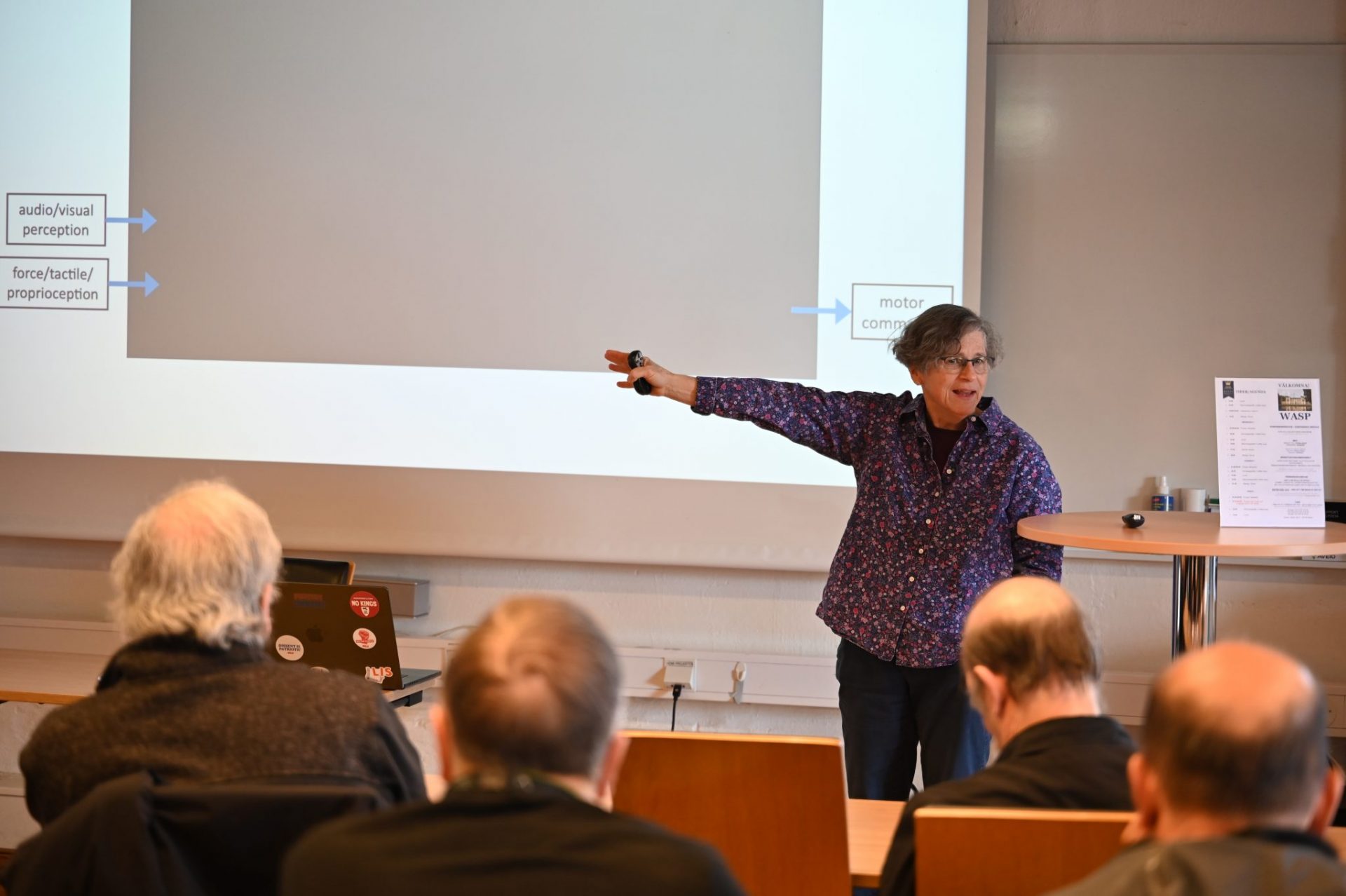
Interview with Leslie Valiant: Exploring educability and neurosymbolic AI
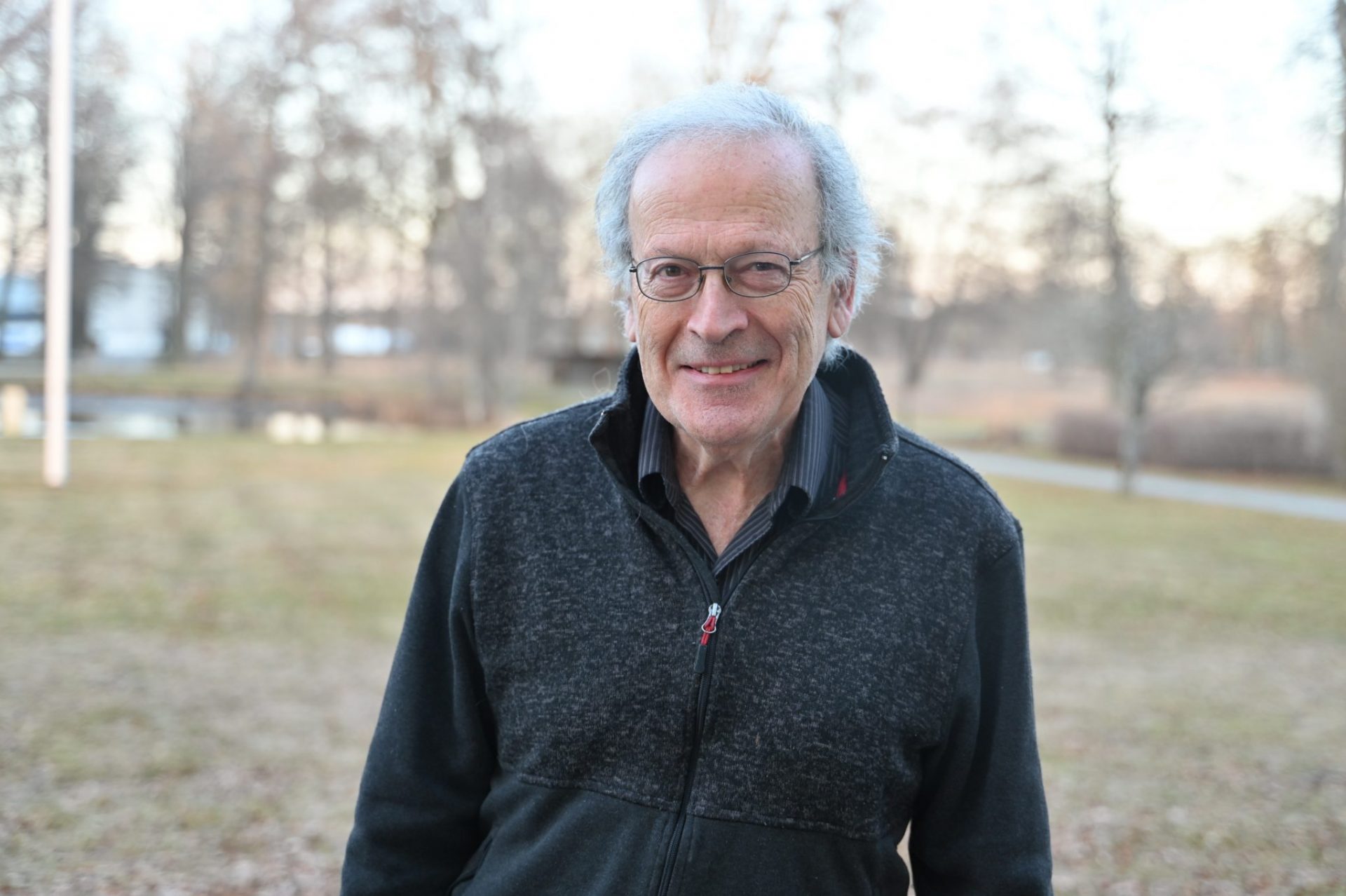
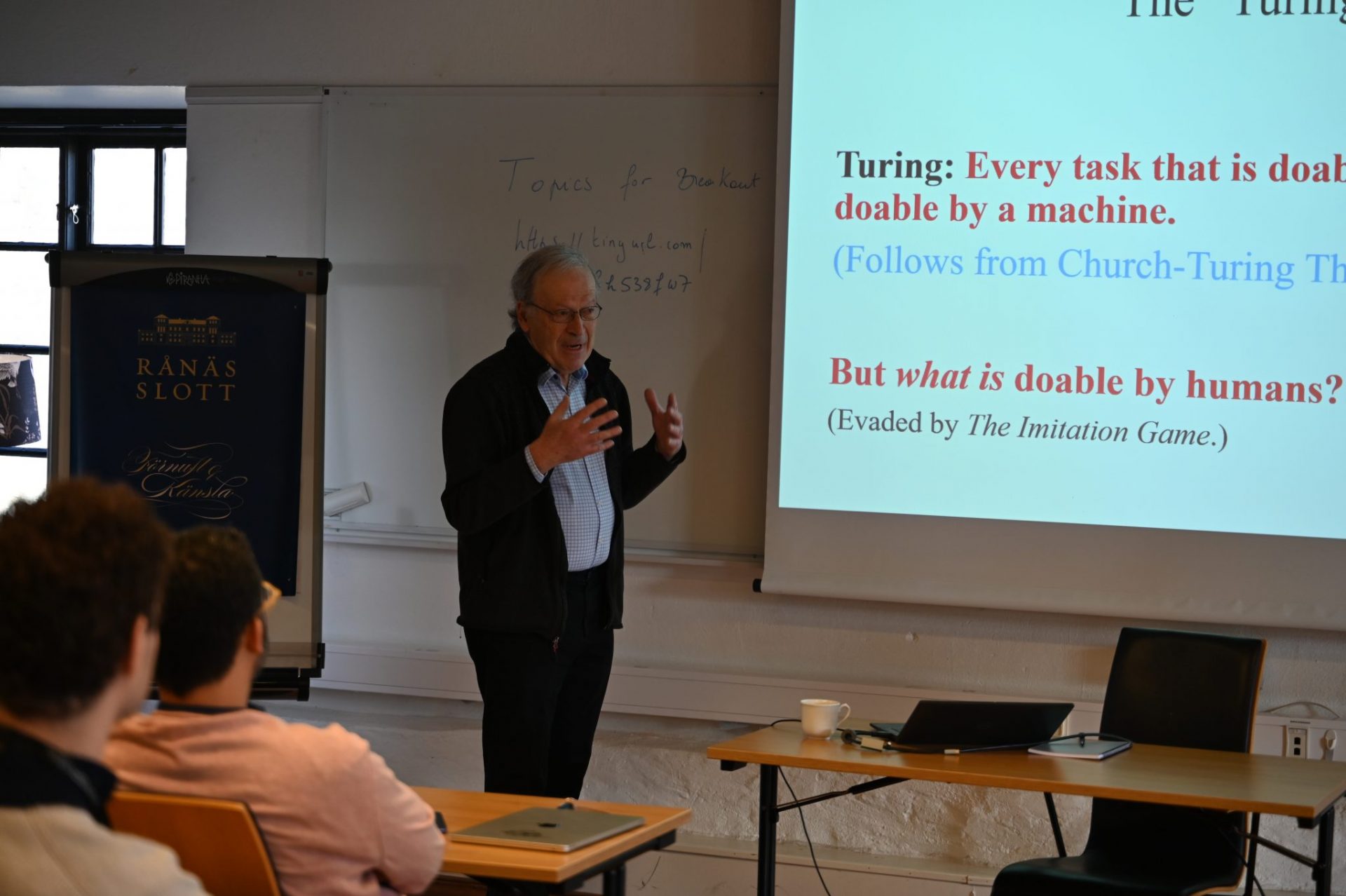
During the Wallenberg Advanced Scientific Forum 2026, we sat down with one of the keynote participants, Leslie Valiant, a Turing Award–winning researcher, to discuss his recent book and the growing importance of neurosymbolic AI.
His latest book The Importance of Being Educable: A New Theory of Human Uniqueness, published in 2024, examines a central question: What cognitive capabilities make humans unique, and how can these be understood through computational models? He argues that while many abilities, such as vision, movement, and emotion, are shared with other animals, humans possess a distinct “disembodied” cognitive capacity that evolved rapidly and sets us apart. He refers to this as educability: our ability to absorb, interpret, and use information from examples, reasoning, and instruction.
These three components — learning by example, reasoning, and learning through instruction — form the foundation of his work. Today’s systems excel at learning from examples, but their reasoning abilities remain limited and often rely on ad‑hoc methods or external tools. This gap, he notes, is why the field is turning toward neurosymbolic AI, which seeks to integrate learning and reasoning more coherently.
Trust, reliability and interpretability
He views the forum’s focus on the foundations of neurosymbolic AI as timely. As AI systems become more capable, questions of trust, reliability, and interpretability grow increasingly urgent. Many systems appear to reason, but often they are simply reproducing patterns from training data or calling external software. Making systems whose behavior is more principled and therefore better understood is essential for both societal utility and public trust.
The future of AI
The conversation also touched on broader societal implications. He emphasized that even experts disagree on how everyday users should treat AI systems, which he sees as a challenge. Over the next five years, he hopes to see progress toward more reliable AI, clearer explanations of system behavior, and better understanding of when and why models fail. At the same time, he acknowledges that predicting risks is difficult: as with past technologies, society often discovers dangers only after they emerge.
Looking ahead, he expects AI to become deeply embedded in daily life, especially in areas where mistakes are tolerable, such as customer service. More sensitive domains, like healthcare or safety‑critical decision‑making, will require far more caution. He also notes that societal preferences will shape adoption: people may choose automated interactions simply because they seem more convenient, or they may choose otherwise.
Despite the uncertainties, he remains optimistic about the scientific opportunities. The forum brings together researchers from diverse backgrounds, many of whom he is meeting for the first time. Their different perspectives, he says, are exactly what the field needs to make progress on the fundamental questions of learning, reasoning, and human‑machine cognition.
About Wallenberg Scientific Forum (WASF)
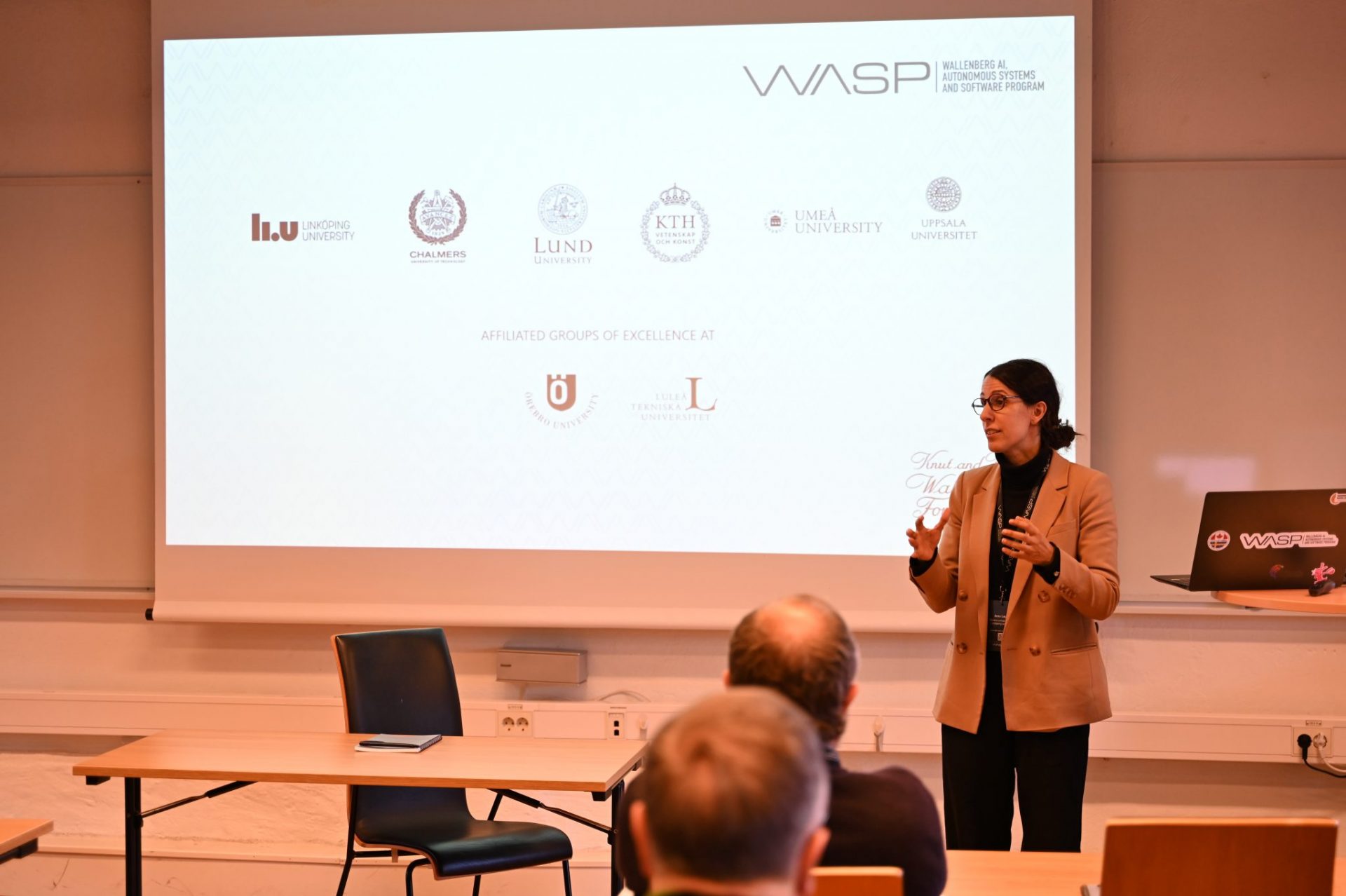
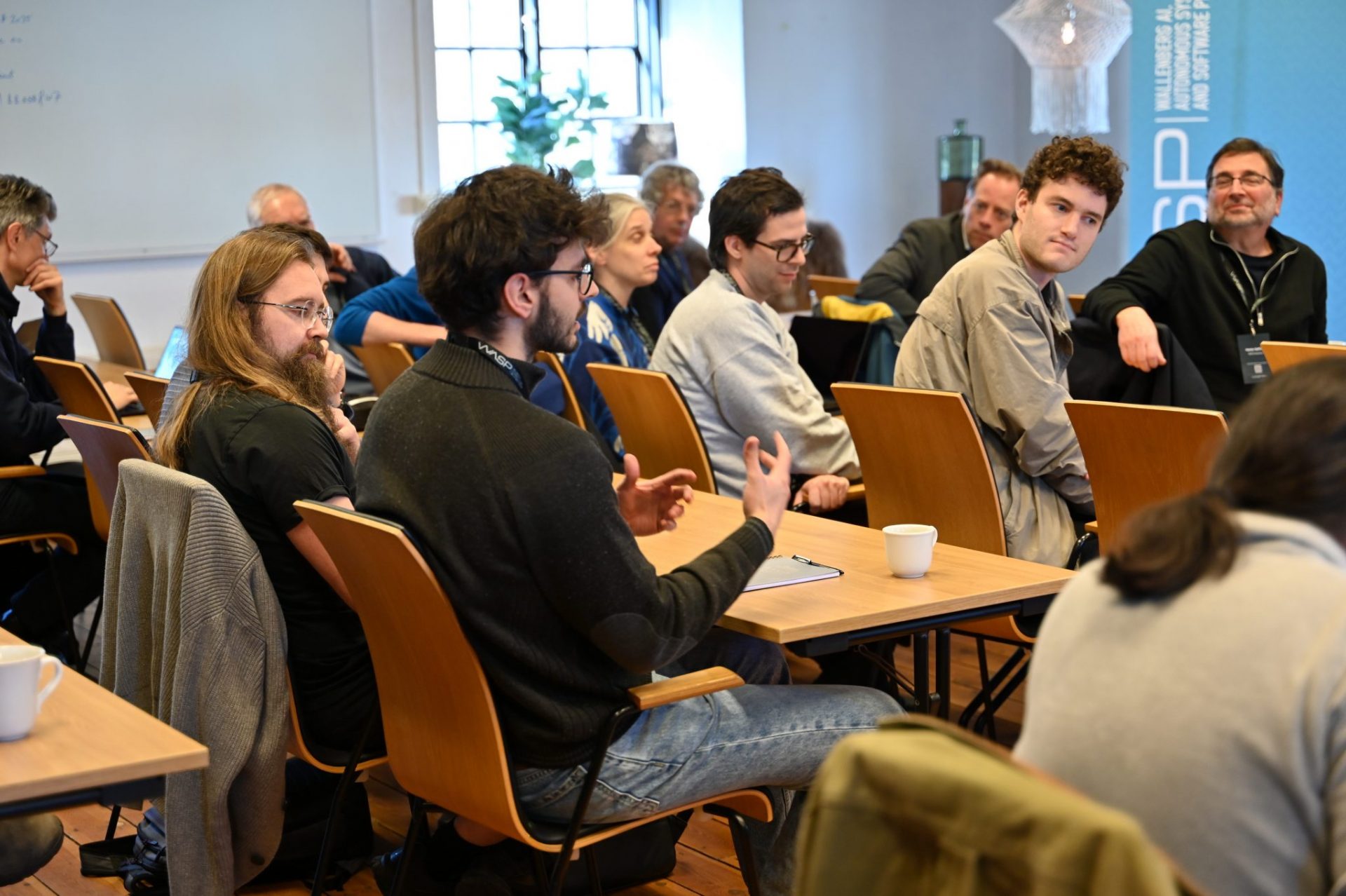
WASF is an invitation-only, collaborative forum supported by WASP, designed to bring together leading researchers and practitioners to address foundational challenges in AI. This year’s forum had around 45 participants from all over the world.
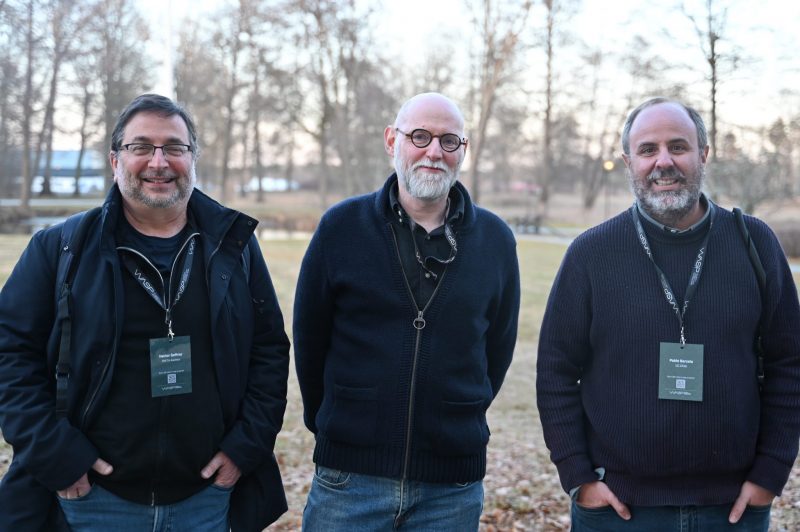
This edition of WASF was organized by:
- Luc De Raedt, Wallenberg Guest Professor in Computer Science and Artificial Intelligence, Örebro University, and Professor of Computer Science, KU Leuven
- Pablo Barcelo, Director Institute for Mathematical and Computational Engineering, Universidad Católica de Chile
- Hector Geffner, Hector Geffner, Professor and Chair of Machine Learning and Reasoning, RWTH Aachen University and former Wallenberg Guest Professor at Linköping University.
Published: April 22nd, 2026
[addtoany]